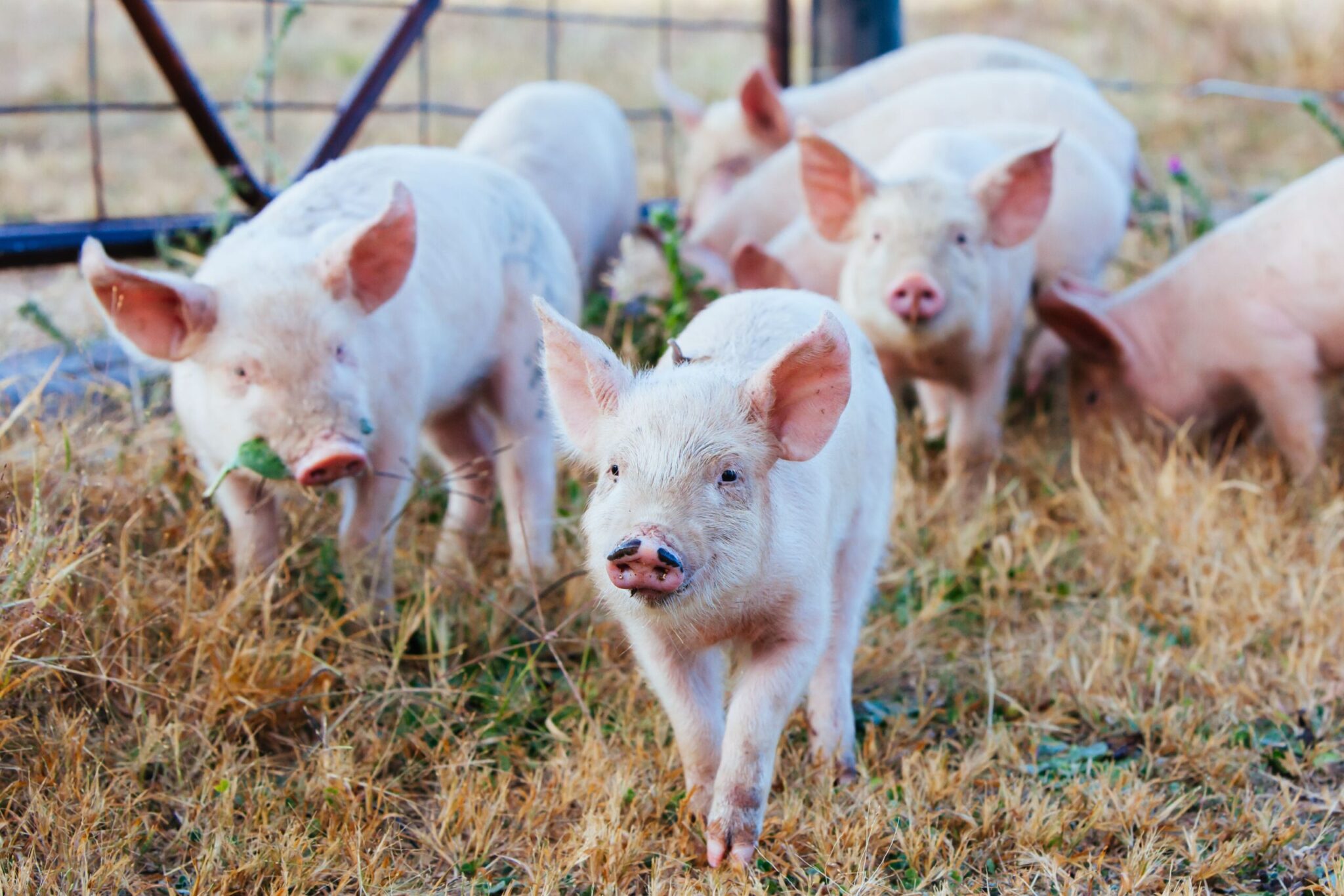
In 27 states, an epidemic of porcine diarrhoea has caused the deaths of approximately one million piglets, with the highest number of fatalities recorded in Iowa. Experts have drawn attention to legislation in force in certain states which, in their view, restricts the ability to identify and publicly report a range of problems in the agricultural sector – including food safety risks such as E. coli, salmonella and other violations. This overview examines laws already in force or proposed in a number of US states that place limits on the collection of information about agricultural operations.
Legislative Initiatives in the Agricultural Sector and the Debate Over Access to Information
A number of legislative initiatives have gained the backing of agricultural industry representatives. Supporters of such measures tend to frame them as a means of protecting businesses, while opponents maintain that they serve to suppress reporting on cases of animal cruelty.
Critics argue that laws designed to prohibit the unauthorised collection of information on agricultural premises prevent journalists and whistleblowers from conducting independent investigations into potential violations. In their view, such measures obstruct the free flow of information and undermine public oversight.
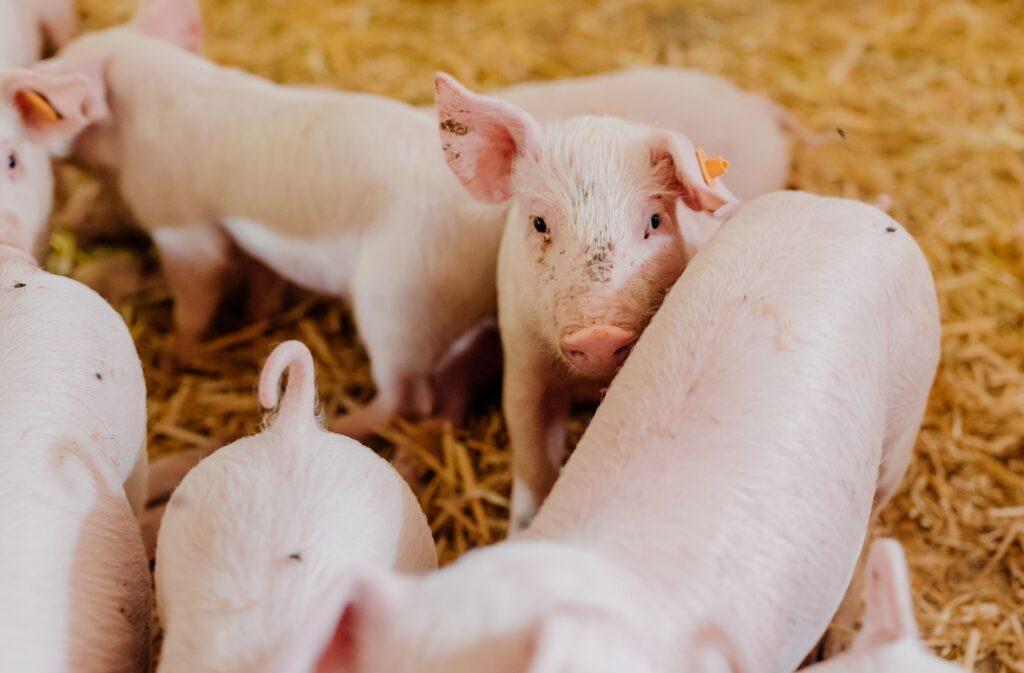
This trend has provoked particular concern among human rights advocates and transparency campaigners, who warn that similar initiatives may, in time, make it significantly harder to identify and document breaches of the law.
Iowa, Missouri and seven other states, for instance, have enacted legislation prohibiting the dissemination of information about agricultural operations. In five further states, such laws are currently under consideration.
Illinois has repealed its False Pretences Animal Registration Act, which had criminalised unauthorised access to livestock facilities.
At various points, senators across different states have spoken in support of such bills. One such proposal would have introduced criminal liability for any published or broadcast criticism of an agricultural product or individual producer that subsequently proved to be inaccurate. The effect was to complicate the reporting of significant issues – among them the use of hormones in dairy farming, herbicide run-off, genetically modified crops and other matters of comparable public concern.
The Animal Enterprise Terrorism Act 2006 (AETA)
This legislation was developed by ALEC, the American Legislative Exchange Council. It prohibits conduct undertaken “for the purpose of damaging or interfering with the operations of an animal enterprise,” and was grounded in a 2004 FBI determination that classified environmental and animal rights groups as “terrorist threats” – placing them on the same footing as terrorism itself.
Representatives of the Centre for Constitutional Rights subsequently brought a legal challenge, contending that the Act is wholly incompatible with the First Amendment to the United States Constitution.
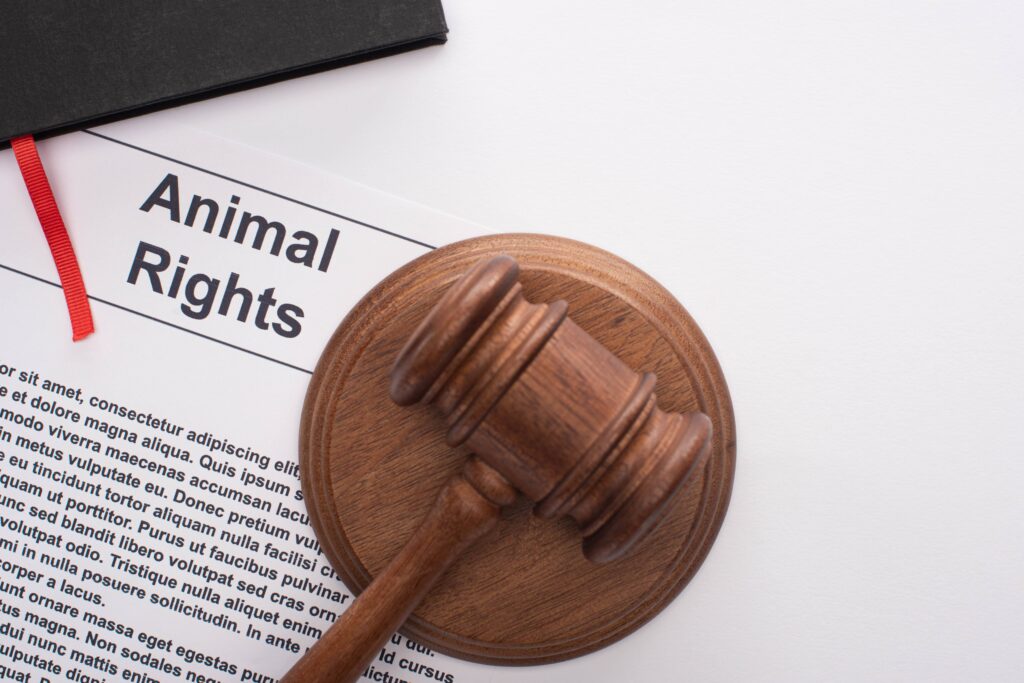
Laws of this kind, the argument runs, are designed to conceal unlawful and dangerous activity, whilst obstructing the protection of workers in the environmental sector. Every consumer has the right to know the truth, and every whistleblower has the right to place that information in the public domain.
For the common good, it matters that people know – and understand clearly – where their food comes from and how it is processed before it reaches their table. Any attempt to curtail such scrutiny places the interests of the agricultural industry above those of the public. Where the purpose of an action is to expose questionable conduct before the public, the criminalisation of that information is simply not acceptable.
The United States is consequently marked by a tension between safeguarding agricultural business interests and the demands of public accountability. That tension keeps questions of food safety, animal welfare and environmental compliance firmly on the agenda.